


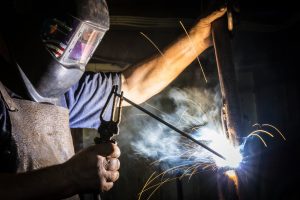
Aircraft welding has been around for many years, and during that time, numerous welding techniques have been developed.
Over the years, the focus has expanded from arc welding to productivity, efficiency, and the use of fiber laser welding, as well as high-quality laser additive manufacturing.
Welding is one of the most widely used methods for fusing metals, and many industries rely on the strong bonds it creates.
From the automotive racetracks of NASCAR to oil fields in Texas, airports, and aerospace manufacturing, skilled welders are essential to modern industry.
Introduction to Aircraft Welding
Welding played a crucial role in the construction of some of the first aircraft designed for commercial use.
Over time, the technologies and manufacturing processes in aerospace have evolved significantly.
Lightweight metals such as magnesium, aluminum, and titanium prompted the development of specialized welding techniques, allowing for stronger, more efficient, and safer aircraft structures.
Aircraft Welding Processes
Gas Welding
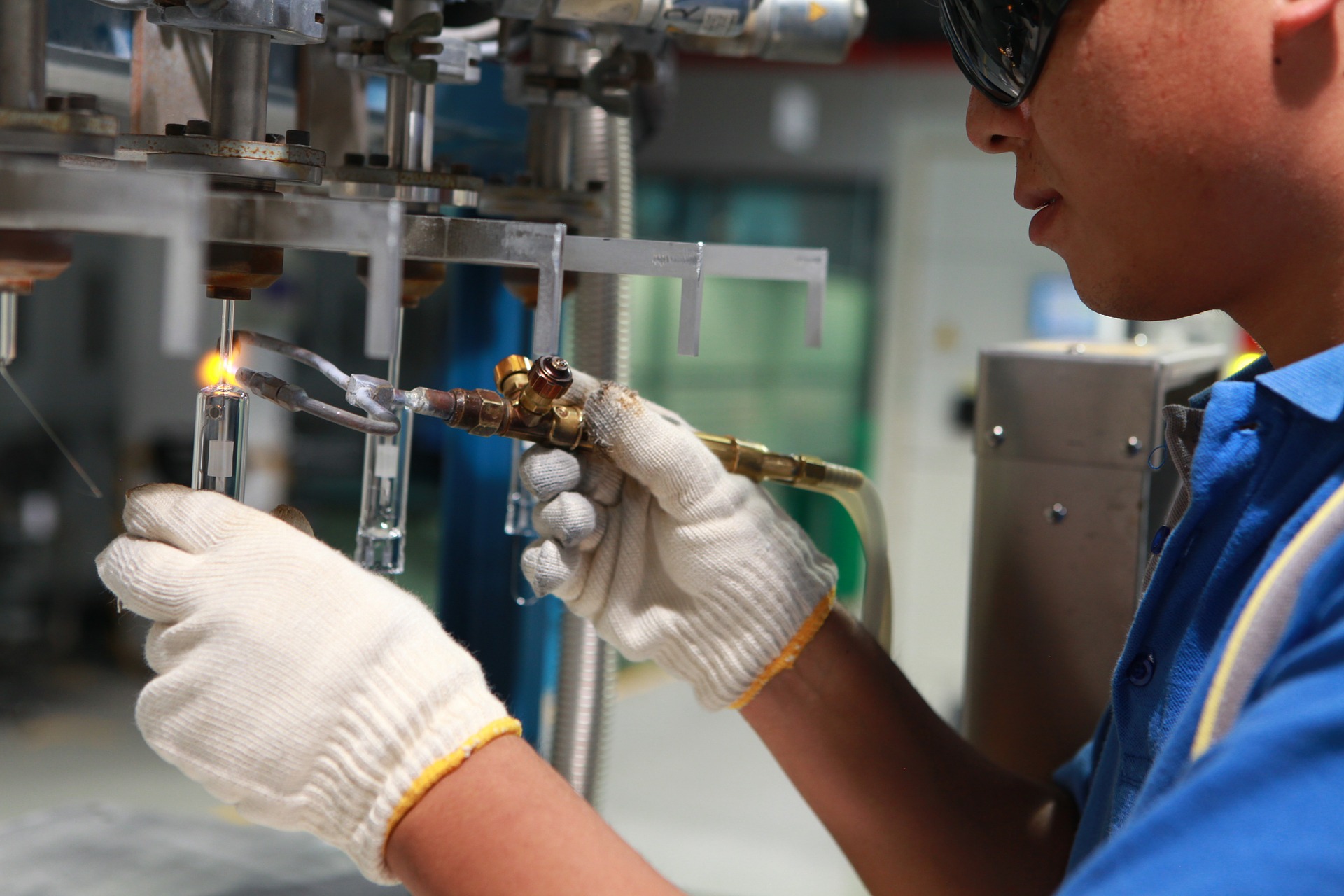
Gas welding was the most common process for producing aircraft materials until the mid-1950s, typically for metals less than 3/16-inch thick. While it was economical, electric arc welding largely replaced gas welding.
However, gas welding is still used today for aircraft repair, particularly using oxy-acetylene welding.
Gas Tungsten Arc Welding (GTAW/TIG)
The aircraft industry developed TIG welding for use on magnesium in the late 1930s and the early 1940s.
For magnesium, today, as well as for stainless steel and thick aluminum for TIG welding is still the preferred process.
Two of the main applications of TIG welding are in the field of aircraft maintenance and repair.
- SMAW or Shielded Metal Arc Welding is sometimes used to weld steel fuselage structures.
- GMAW or MIG, or Gas Metal Arc Welding, is employed for large-scale aircraft manufacturing. It is rarely used for repair work since destructive testing is necessary to determine the quality of the weld that this process produces.
The aircraft electric resistance welding is another type of welding, seam welding, which is, sheet metal components in order to join thin metal sheets.
For precision and miniature applications also employs plasma arc welding (PAW).
Shielded Metal Arc Welding (SMAW)
SMAW is sometimes used to weld steel fuselage structures and is commonly taught in aircraft welding programs for its versatility.
Gas Metal Arc Welding (GMAW/MIG)
MIG welding is employed for large-scale aircraft manufacturing.
It is less commonly used for repair work because destructive testing is often required to ensure weld quality.
Electric Resistance Welding
This process, including seam welding, is used to join thin metal sheets, often found in sheet metal aircraft components.
Plasma Arc Welding (PAW)
For precision and miniature applications, PAW is employed due to its high accuracy and control, often used in specialized aerospace components.
Aircraft Welding Jobs
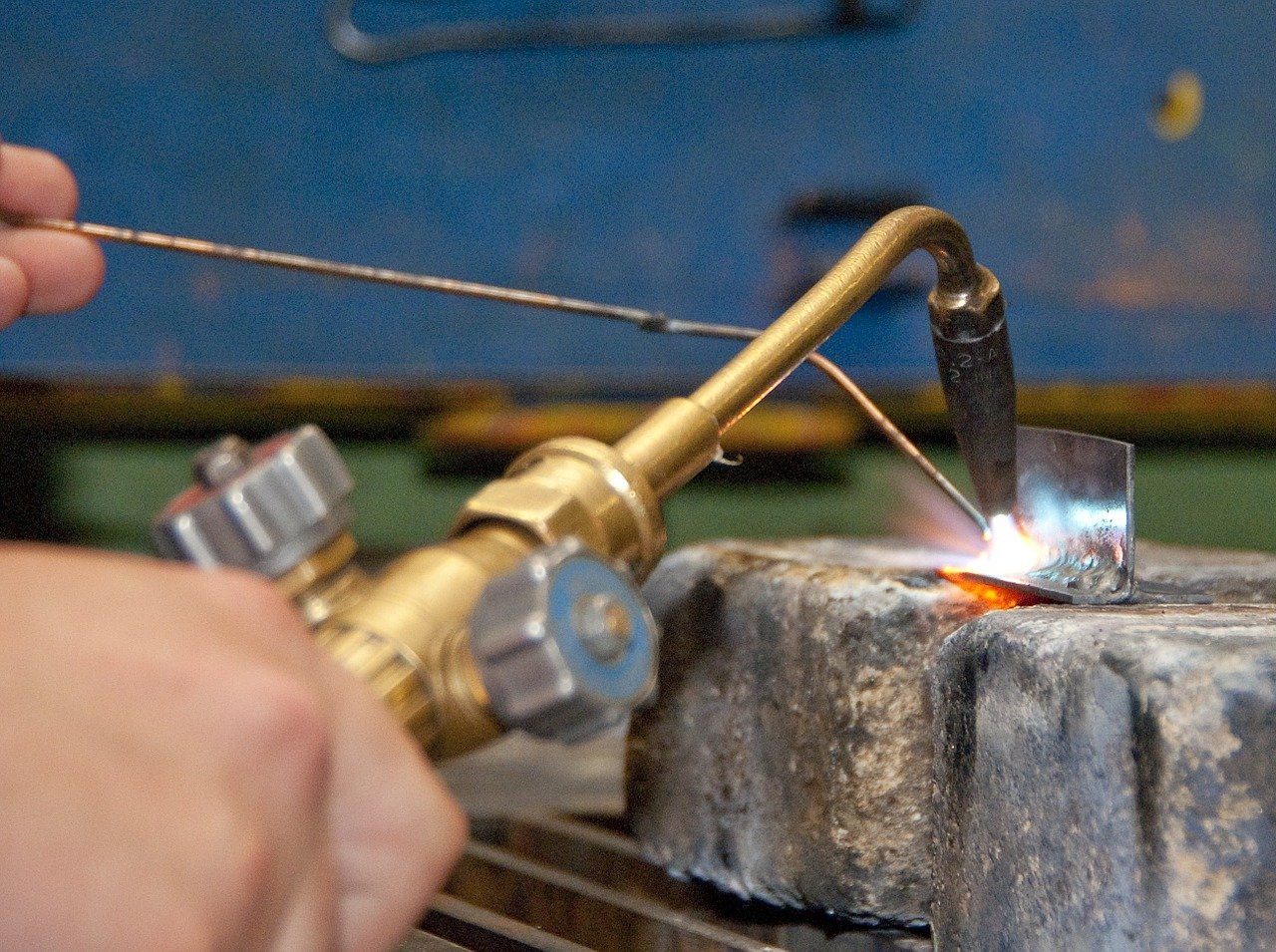
Aircraft welders are responsible for the manufacture and repair of jets, airplanes, and helicopters.
According to the U.S. Bureau of Labor Statistics, about 60% of welders, cutters, and related workers (SOC 51-4121) work in manufacturing, while around 5% work in repair and maintenance.
Typical responsibilities include:
- Reading and interpreting sketches, blueprints, and specifications
- Performing calculations and measurements
- Inspecting materials and structures before welding
- Monitoring other welders’ work to prevent overheating
- Maintaining and repairing welding equipment
Becoming an Aircraft Welder
High school classes in math, chemistry, physics, mechanical drawing, and metallurgy can help prepare students for a career in welding.
After high school, aspiring welders typically enroll in specialized welding programs that cover common aircraft welding techniques such as SMAW, MIG, and TIG.
Certification is required to work as an aircraft welder.
These certifications are administered by organizations such as the American Welding Society (AWS) and are based on industry standards.
Aircraft Welding Certifications and Requirements
| Certification | Issuing Organization | Required Skills | Typical Career Level |
|---|---|---|---|
| Certified Welder (CW) | American Welding Society (AWS) | TIG, MIG, SMAW | Entry-level to mid-level |
| Aerospace Welder Certification | FAA / AWS | Aerospace-specific processes | Mid-level |
| Certified Welding Inspector (CWI) | AWS | Inspection, quality control | Senior-level / supervisory |
| Robotic Welding Certification | AWS or Manufacturer | Automated welding | Specialized positions |
A Career in the Aerospace Industry
Aircraft welders generally need at least a high school education or completion of a vocational training program.
Certifications are often required to demonstrate skill and competence.
Welders play a crucial role in both the manufacture and maintenance of aircraft.
Completing training in multiple welding processes allows welders to work in a variety of aerospace applications.
Trade schools and technical programs offer the necessary education and hands-on experience.
Safety Considerations
Aircraft welding involves high heat, intense light, and potentially hazardous materials.
Welders must always use personal protective equipment (PPE) such as welding helmets, gloves, flame-resistant clothing, and eye protection.
Adhering to proper safety protocols is essential to prevent burns, eye injuries, and inhalation of harmful fumes.
Interesting Fact: The welding helmet was invented in 1917 and has evolved to include auto-darkening lenses that adjust instantly to the brightness of the arc, protecting welders’ eyes in real-time.
Future Trends
The aerospace welding industry is evolving with advanced technologies such as robotic welding, fiber laser welding, and additive manufacturing.
These innovations improve precision, efficiency, and safety while expanding the types of materials and structures that can be welded.
Staying updated on these trends can provide welders with a competitive edge.
Interesting Fact: Some modern aerospace components are now welded using laser technology so precise that the weld is thinner than a human hair, allowing for stronger yet lighter aircraft structures.
Career Advancement
Experienced aircraft welders have opportunities to advance into supervisory roles, quality inspection, or aerospace engineering support positions.
Additional certifications and specialized training in advanced welding techniques can open doors to higher-paying and more technical positions within the industry.
Interesting Fact: Many aerospace welders eventually become certified welding inspectors, overseeing the work of other welders and sometimes inspecting jets used by NASA and major airlines.
Industry Demand
The demand for skilled aircraft welders remains strong due to the growth of commercial and military aerospace, as well as aircraft maintenance and repair operations.
According to industry reports, the need for certified welders is expected to continue rising over the next decade, offering steady career opportunities across the U.S.
Interesting Fact: During World War II, skilled welders were so in demand that they were considered “essential workers”, and some were exempt from military service to support aircraft production.
Salary

As of November 2025, the average annual salary for an Aerospace Welder in the U.S. is approximately $57,527, which works out to about $28/hour.
- The 25th percentile is about $52,177/year, and the 75th percentile is around $62,908/year.
- For welders in Texas specifically, the average is around $56,106/year (or ~$27/hour) as of October 2025.
Keep in mind that pay depends on factors like experience, location, certifications, and the specific welding processes used.