



To join metals, there are at least sixty-seven welding processes.
Each process differs from the others and makes use of varying combinations of pressure, heat, and equipment.
The most popular process is TIG welding.
TIG requires a high level of skill because it produces very high-quality welds.
TIG Definition
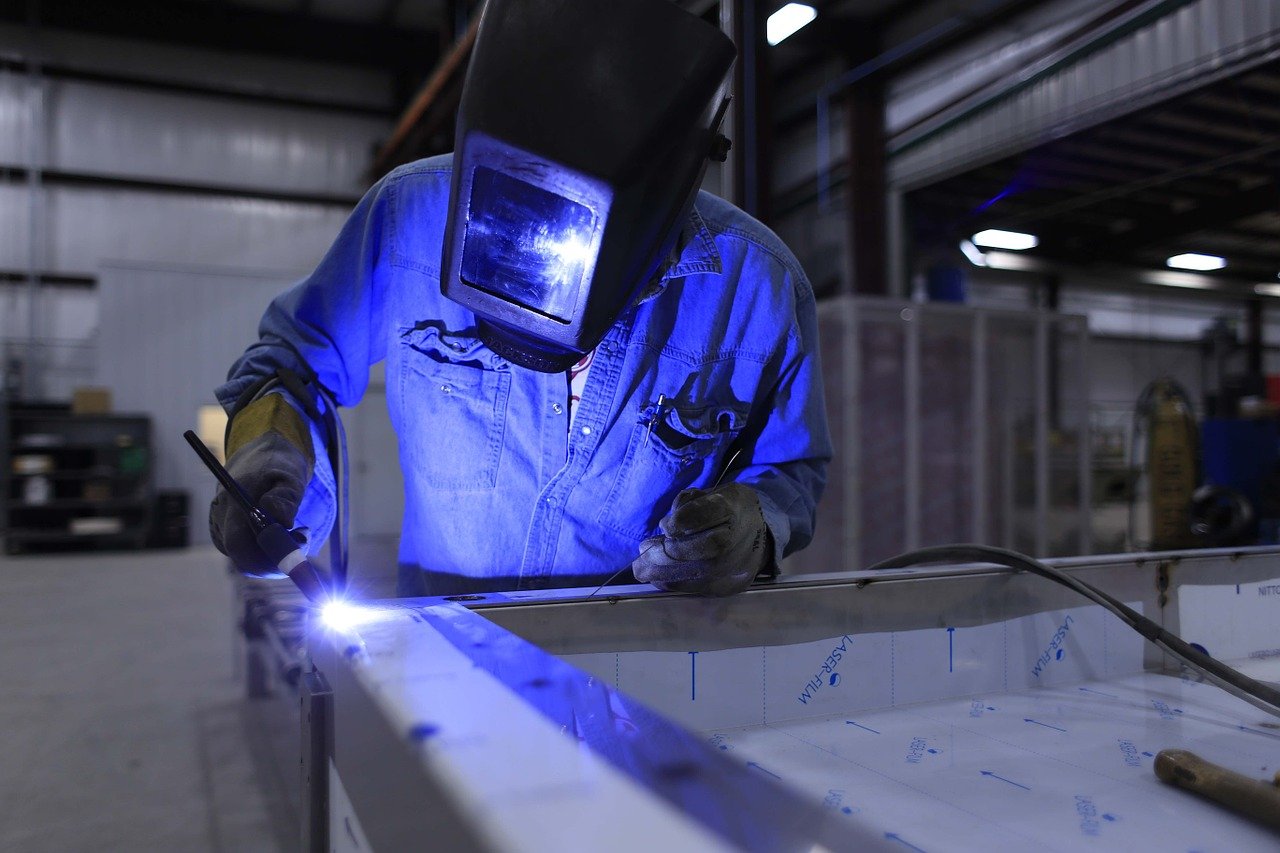
TIG welding is also called gas tungsten arc welding (GTAW).
It was developed in the 1930s and 1940s by the aircraft industry for welding magnesium.
The arc is formed between a non-consumable tungsten electrode and the workpiece.
The electrode does not melt.
A molten weld pool forms where the arc strikes the base metal.
A thin filler metal is slowly hand-fed into the weld pool as needed.
An inert shielding gas protects the tungsten electrode and the weld pool from oxygen contamination.
Because no fluxes are used, the final weld is slag-free and retains the corrosion-resistance properties of the base metal.
Using TIG Welding
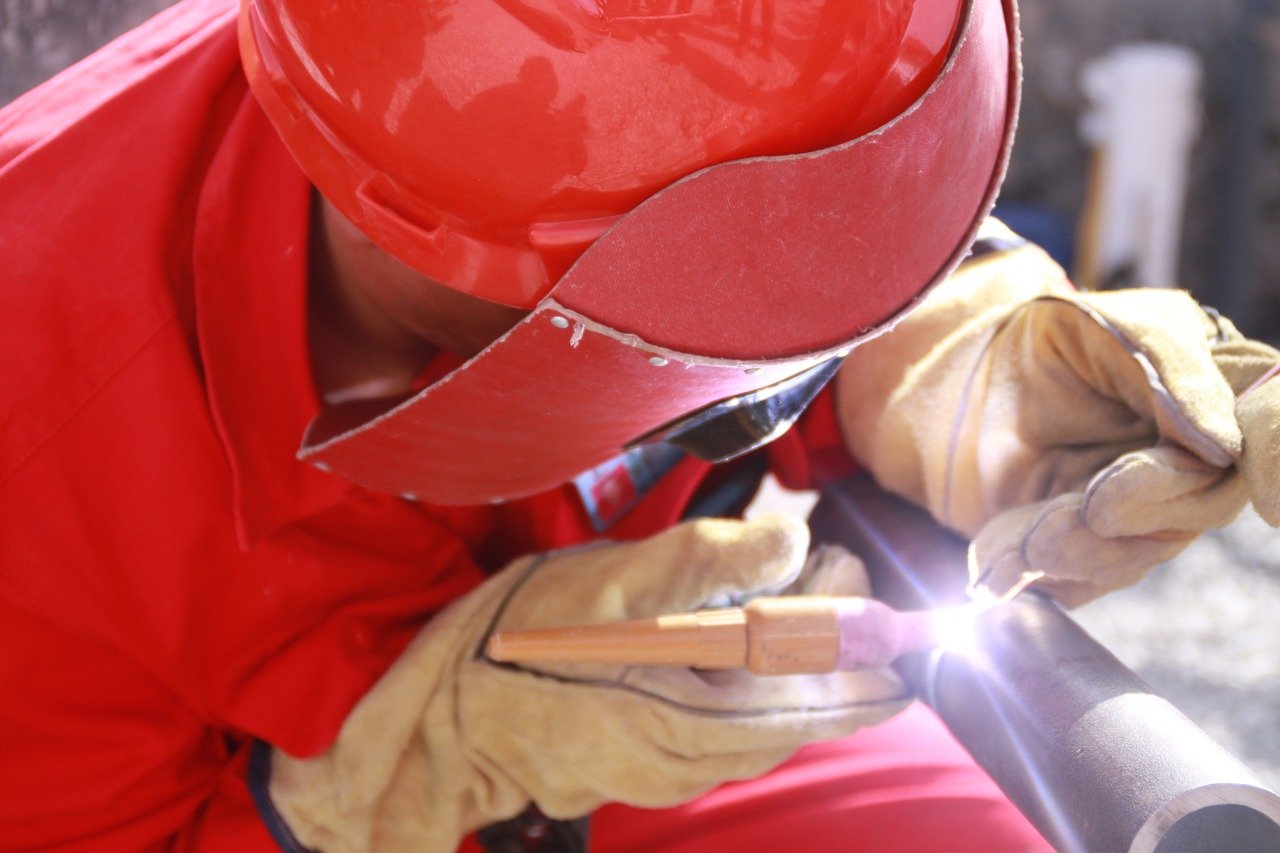
TIG can be used on many different metals, more than many other welding processes, which is why many industries rely on it.
In aerospace, TIG is used for constructing spacecraft and aircraft.
Auto manufacturers use TIG welding on fenders because of its anti-corrosive properties, and it is commonly used in auto body repair shops.
Artists also use TIG for sculpture welding because of the high quality and clean finish of the welds.
Advantages and Disadvantages of TIG Welding
One of TIG welding’s greatest advantages is the level of control it provides.
A welder can precisely control amperage and heat, which improves accuracy.
Excellent dexterity gives the welder additional control over the process, making TIG ideal for detailed work and curved designs.
Because TIG can operate at low amperage, it works well on thin metals.
The combination of low amperage and a remote-control switch allows welders to work quickly and accurately on thin pieces.
Since no flux is used, the weld is clean and free of slag, producing a low-profile weld bead.
However, TIG welding demands exceptional hand-eye coordination and intense focus because the arc is concentrated on a small area of the base metal.
The process can also be time-consuming and requires skill and patience.
With training and practice, welders can master these challenges.
How to Weld with TIG (Basic Steps)
- Choose the electrode.
- Grind the electrode.
- Insert the electrode into the collet.
- Choose the machine settings.
- Turn on the shielding gas.
- Prepare the welding table and metal.
- Dress appropriately to protect yourself.
- Make a final check.
- Start welding and draw a bead.
Top Careers
- Structural welder
- Pipe welder
- Aircraft welder
- Rig welder
- Pipeline welder
- Alternative careers for welders
Salary in TIG Welding

You’re probably wondering how much you can earn with TIG skills.
Salary depends on experience, industry, location, and specific skills.
After investing time to learn TIG, staying open to opportunities will help you earn above-average wages.
Entry-level wages might start around $45,000 per year, while experienced welders, especially those who specialize or work in high-demand industries, can reach six-figure incomes.
Key factors that influence salary include experience, entrepreneurial activity, industry, and geographic location.
TIG welding can be challenging but rewarding.
It opens doors to promising careers if you commit to learning and take each step carefully.
The good news is that solid welding training programs are available to help you start your journey.
How TIG Welding Compares to MIG and Stick Welding
If you’re new to welding, it can be confusing to understand why TIG welding is considered more advanced than MIG or Stick.
Each welding method has its place, but TIG stands out when precision and clean results matter most.
TIG welding gives you the highest level of control, which is why it’s the go-to process for aerospace, automotive, and artistic metalwork.
MIG and Stick are usually faster, but they can’t match TIG’s refinement or delicate bead appearance.
| Feature | TIG Welding | MIG Welding | Stick Welding |
|---|---|---|---|
| Precision | Highest | Moderate | Low |
| Best For | Thin metals, aluminum, stainless, detail work | General fabrication, repairs | Heavy steel, outdoor work |
| Skill Level | High | Medium | Low |
| Cleanliness | Cleanest (no slag) | Clean but may need cleanup | Slag and spatter |
| Speed | Slow | Fast | Moderate |
| Shielding Gas? | Yes | Yes | No (flux-coated rods) |
TIG isn’t always the fastest way to weld, but when appearance matters, or when metal is thin or sensitive, nothing beats it.
Safety Tips Every TIG Welder Should Know
TIG may look clean and controlled, but it’s still a high-heat, high-UV process with real risks.
Good safety habits make all the difference.
Key TIG Safety Tips:
- Protect Your Eyes: TIG emits intense UV light. Use a high-quality auto-darkening helmet with the correct shade.
- Use Proper Ventilation: Inert gases and metal fumes can build up. Welding in a cramped shop without airflow is dangerous.
- Shield Your Skin: TIG burns can happen faster than you expect. Cover arms and neck with flame-resistant gear.
- Handle Argon Safely: Always secure gas cylinders and check for leaks.
- Fire Awareness: TIG arcs can ignite oily rags, solvents, or dust. Keep the workspace clean and dry.
Professional welders treat safety like part of the job, not an afterthought.
How Long Does It Take to Learn TIG Welding?
TIG welding is often called the “art form” of welding for a reason.
Unlike MIG, where beginners can create decent welds on day one, TIG takes longer to master.
Typical Learning Timeline:
- 10-20 hours: Understand the equipment and form basic beads.
- 1-3 months: Develop steady hand control, learn aluminum, and improve consistency.
- 6-12 months: Become job-ready with clean, repeatable welds.
Most of the learning curve comes from developing muscle memory.
Foot pedal coordination, filler rod timing, and torch angle all have to work together like a rhythm.
With practice, it feels natural, but it takes time.
TIG Welding Certifications and Training Programs
Certification isn’t always required, but it can dramatically increase your earning potential and open doors in aerospace, fabrication, and pipe welding.
Common TIG Certifications:
- AWS D17.1: Aerospace welding certification
- AWS D1.1: Structural steel (includes TIG tests)
- ASME Section IX: Pipe and pressure vessel welding
Where to Train:
- Trade schools
- Online classes
- Community colleges
- Union training programs
- Specialized welding academies
Why Certification Matters:
- Employers trust certified welders
- Increases job placement opportunities
- Allows you to bid on higher-paying contracts
- Builds confidence in your skill level
- Even one strong certification can put you ahead of other applicants.
Beginner-Friendly TIG Welding Project Ideas
Once you know the basics, creating your own projects is the best way to gain confidence.
Good Practice Projects Include:
- Straight beads on a steel plate – builds hand coordination.
- Aluminum practice coupons – teach heat control.
- A simple steel cube – tests your ability to weld edges and corners.
- Small metal sculptures – perfect for creativity and precision.
- A basic automotive patch panel – practical for real-world repair skills.
These projects keep the learning curve fun and help beginners see immediate progress.
A Day in the Life of a TIG Welder
TIG welders work in some of the most interesting environments, from aircraft hangars to custom fabrication shops.
No two days feel the same.
A Typical Day Includes:
- Reviewing blueprints or weld procedures
- Setting up the TIG machine with the correct gas, electrode, and settings
- Prepping materials by cleaning and fitting them
- Performing precise welds, often on thin or high-value metal
- Inspecting and polishing finished joints
- Communicating with engineers, fabricators, or clients
TIG welders must be focused and patient.
Many jobs involve high-value components where mistakes are costly.
But for people who enjoy craftsmanship and detail work, it’s one of the most satisfying careers in the welding world.