


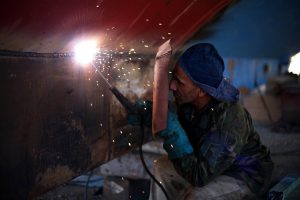
Structural welders are the people who literally hold our world together.
From the beams inside buildings to the metal framework of bridges, they’re the ones welding the pieces that keep structures standing strong.
You’ll find structural welders working in all kinds of industries, such as aerospace, oil and gas, mining, shipbuilding, manufacturing, and construction.
If you’re exploring this career, here’s a simple breakdown of what the job involves, the skills you’ll need, and how to get started.
Education: Do You Need a Degree?
Here’s some good news: there isn’t just one way to become a welder.
Many employers love hiring people who have hands-on skills and formal training, but you don’t necessarily need a college degree to get started.
Most welders begin by taking courses at vocational schools, trade schools, or community colleges.
Some common topics you’ll learn include:
- How metals behave (metallurgy)
- How to read blueprints
- Basic chemistry
- Shop math
- Mechanical drawing
Even after completing school, most welders still receive on-the-job training.
Every company uses different tools, techniques, and materials, so expect to keep learning as you go.
Skills Every Structural Welder Should Have
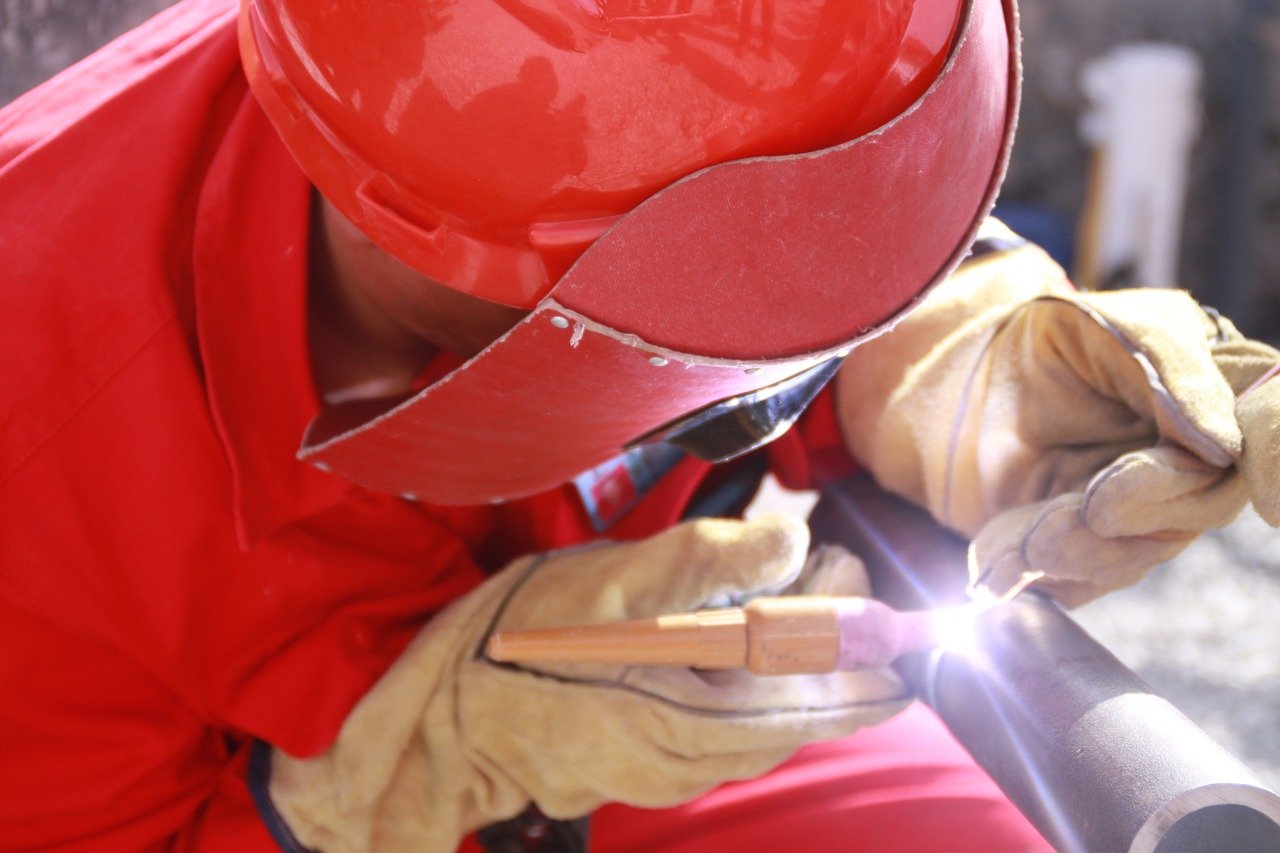
To succeed in this field, you’ll need a blend of technical know-how and physical ability.
Math & blueprint reading
You’ll be taking measurements, reading welding symbols, and planning accurate welds, so understanding numbers and diagrams is a must.
A strong sense of safety
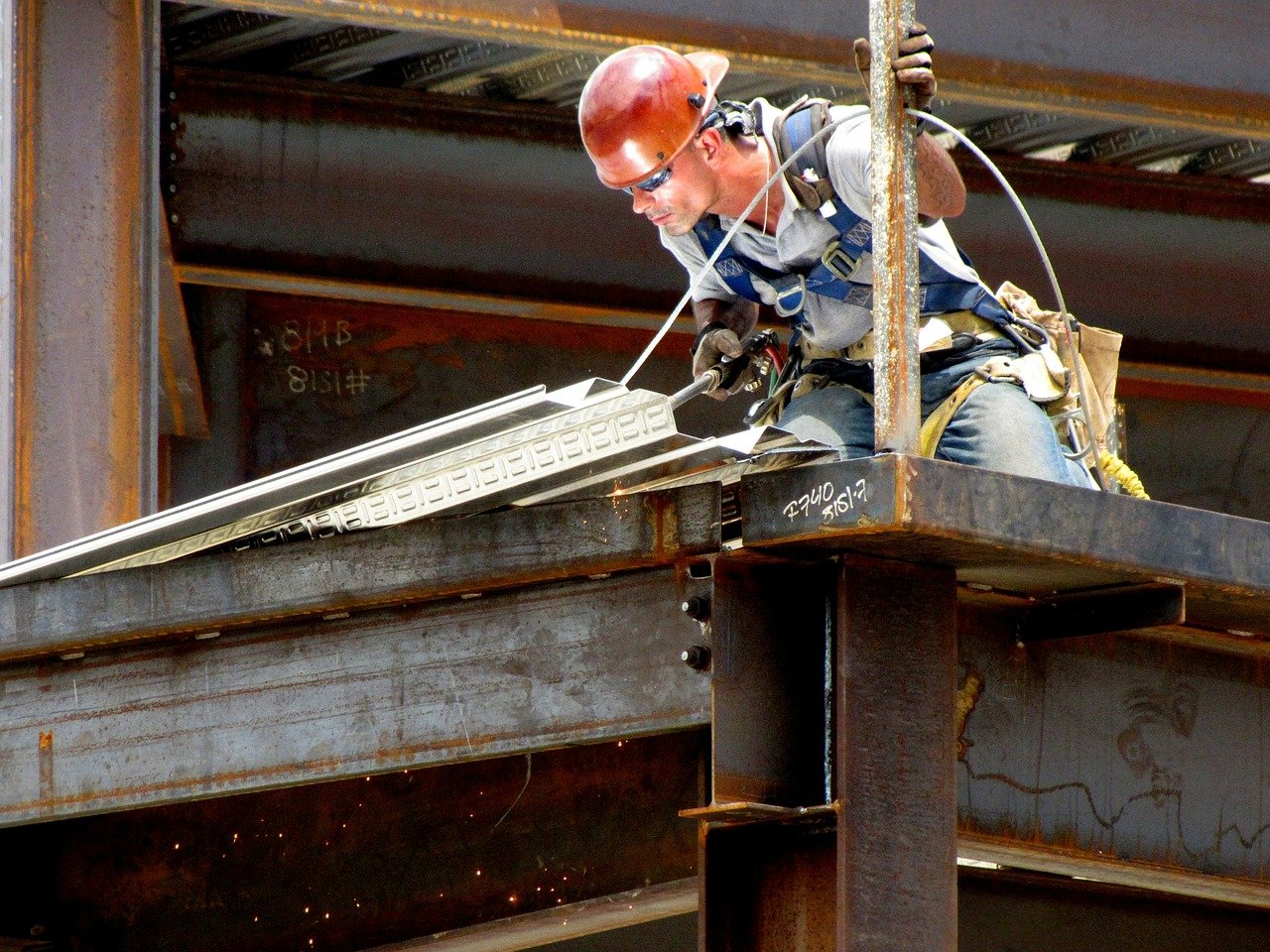
Structural welders often work at heights or in tough environments.
Harnesses, helmets, gloves, and proper safety training will be your everyday companions.
Physical strength and stamina
Welders move heavy beams, equipment, and tools.
You’ll also work in all kinds of weather, from freezing-cold mornings to hot summer afternoons.
Steady hands
Great hand-eye coordination helps you create clean, precise welds.
Certifications: What You’ll Need to Get Started

To officially work as a structural welder, you’ll need certification (online welding certification programs are available).
This usually means completing hands-on tests overseen by a certified welding inspector.
Different certifications allow you to weld different metals and weld types.
You might be asked to:
- Weld beams
- Weld pipe sections
- Complete groove or fillet welds
- Weld in multiple positions (flat, horizontal, vertical, overhead)
Your test will depend on the certification you’re going for.
But the more certifications you earn, the more job opportunities you’ll unlock.
Where Structural Welders Work
One thing’s for sure, this isn’t a desk job.
Structural welders work:
- Indoors and outdoors
- In rain, snow, sun, or wind
- On skyscrapers, bridges, tunnels, shipyards, and factories
If you like variety and don’t want to work in the same setting every day, this career definitely offers that.
Job Duties
While duties vary by industry, most structural welders:
- Inspect and set up welding equipment
- Read job specifications and blueprints
- Secure and position materials
- Perform welds safely and accurately
- Grind, clean, polish, or finish welded areas
- Double-check their work before the supervisor inspects it
A big part of the job is preparing the workspace and equipment so the actual welding can be efficient and safe.
Becoming a Structural Welder
You don’t need a college degree, just a high school diploma and the right training.
Trade schools, apprenticeships, and certification programs are all great ways to learn the ropes.
Here are a few helpful facts if you’re considering this career:
- The average salary is around $42,836 per year
- There are thousands of job openings right now
- The industry is expected to keep growing
- Welding skills transfer across multiple industries
- Technology is changing the field, so staying updated is important
If you enjoy working with your hands, solving problems, and building things that last, structural welding can be a rewarding and stable career path.
Learn more about how to become a welder.
Pros and Cons of Being a Structural Welder
Like any career, structural welding comes with both advantages and challenges.
If you’re deciding whether it’s the right fit, here’s a simple breakdown.
| Pros | Cons |
|---|---|
| Strong job stability and demand | Work can be physically demanding |
| No college degree required | Exposure to heat, sparks, and hazards |
| Opportunities across multiple industries | Often requires working outdoors in all weather |
| Great for people who enjoy hands-on work | Some jobs require travel or long hours |
| Clear pathways for advancement | Must maintain ongoing certifications |
If you enjoy building things, working with your hands, and being part of projects that make a visible impact, the pros often outweigh the cons.
But you must be prepared for physically tough work and strict safety requirements.
Salary Ranges by State or Industry
Welding salaries can vary widely depending on where you work and the type of projects you’re involved in.
Some states pay much higher than others due to industry demand, cost of living, and the presence of large infrastructure projects.
What Affects Your Pay?
- Location: Welders in states with strong construction or shipbuilding industries typically earn more.
- Experience: Entry-level welders earn less, but your pay grows quickly as your skills improve.
- Certifications: Advanced certifications (like 6G or unlimited thickness) can significantly boost your income.
- Industry: Oil and gas, aerospace, and heavy industrial welders often earn the highest wages.
Example Salary Breakdown
(Salaries are approximate and vary by employer.)
- Oil & Gas Industry: $50,000-$75,000+
- Construction: $40,000-$55,000
- Shipbuilding: $42,000-$60,000
- Manufacturing: $38,000-$52,000
- Aerospace: $45,000-$70,000
If you’re willing to work overtime or travel to large projects, your earnings can be even higher.
Career Advancement Paths
Structural welding offers plenty of opportunities to grow your career.
Once you gain experience and earn advanced certifications, you can move into higher-paying or more specialized roles.
Popular Career Paths:
Welding Inspector (CWI)
Inspect welds for safety and quality.
This role pays more and reduces physical strain.
Fabricator
Builds and assembles metal components before they are welded into place.
Pipefitter / Pipe Welder
Specializes in welding pipes in industrial facilities, often higher-paying than structural welding.
Welding Supervisor / Foreman
Leads teams, oversees job sites, and ensures safety and productivity.
Underwater Welder
A highly specialized and high-paying career for certified divers.
Welding Engineer
Works in design, testing, and development of welding processes, usually requires a degree.
Shop or Field Lead
Supervises welding crews either in fabrication shops or on job sites.
These paths give welders the flexibility to stay hands-on, transition into leadership, or move into more technical engineering roles.
How Long Does Training and Certification Usually Take
One of the best things about welding is that you can enter the field fairly quickly compared to many technical careers.
Here’s a realistic look at the timeline:
Welding Training Timeline
Trade School or Welding Program (3-12 months)
Shorter programs (3-6 months) teach the basics.
Longer programs (9-12 months) cover multiple welding processes.
Apprenticeship or Entry-Level Job (1-3 years)
This is where you get hands-on experience and learn job-site skills.
Certifications (Time varies)
Basic certifications can be completed in a few days to a few weeks.
Advanced certifications require additional practice and testing.
Total Time to Become a Structural Welder
As little as 6 months to get started,
1-3 years to become fully skilled,
5+ years to reach high-paying or specialized roles.
Your timeline depends on how quickly you learn, how often you practice, and the certification paths you choose.