


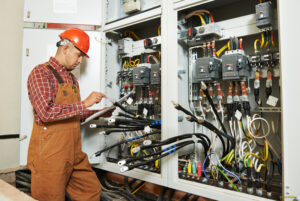
For anyone looking to pursue a career in the electrical trade, knowing the electrician licensing laws and requirements is paramount.
Licensing ensures electricians have the required qualifications, training, and skills to conduct electrical work safely.
Since electrician licensure is not regulated at the federal level, each State has specific requirements and processes.
Understanding the landscape of electrician licensing by State is critical to ensuring safety compliance and taking your career to the next level.
Keep reading to learn more!
States Requiring an Electrician’s License
Alabama
All electrical contractors and journeyman in the State of Alabama must hold an Alabama electrical license issued by the Alabama Electrical Contractors Board.
However, electrician helpers and apprentices don’t need a license to begin working, but must pass an aptitude test issued by the employer to be hired for these positions.
Arizona
Arizona only issues a contractor license depending on the type of work the electrician must complete, including:
- Commercial (C-11)
- Electrical (K-11)
- Residential (R-11)
Issued by the Arizona Registrar of Contractors, a journeyman electrician is based on experience, not passing an examination.
Also, the State does not require a license for electrical apprentices.
Arkansas
Electrical contractors working in Arkansas must have an electrician’s license or have completed eight years in the field, or 16,000 hours of electrical construction experience.
California
To work as an electrician in California, candidates must register with the State of California Division of Labor Standards Enforcement as a trainee.
Once the required firsthand job and classroom training are complete, budding electricians must apply for a residential or general electrician license through the State of California Department of Industrial Relations.
Additional training is then required to earn the electrical contractor license through the California Contractors State License Board.
Colorado
The Colorado Department of Regulatory Agencies provides electrical licenses.
The process begins with candidates registering as electrical apprentices.
Then, applicants must complete 288 hours of lab and classroom training, and 8,000 hours of hands-on experience with a licensed electrician, or earn an associate degree from an accredited school, plus gain 6,000 hours of experience.
Once complete, budding electricians must pass an examination to become an electrical journeyman.
Connecticut
The Connecticut Department of Consumer Protection issues licenses to new electricians.
Connecticut is unique in that there are 10 types of electrician licenses, depending on the candidate’s focus, ranging from voltage regulations to fire alarms.
Delaware
The State of Delaware requires all electricians to be licensed, with several licensing options available, including:
- Apprentice
- Journeyperson
- Limited
- Limited Special
- Master
- Master Special
- Residential
The process starts with an apprenticeship offered through the Delaware Board of Electrical Examiners.
Florida
Florida requires electricians to be licensed as well and designates the terms “certified” and “registered” as opposed to “licensed,” which is specific to jurisdictions.
Certified contractors can work anywhere, whereas licensed electricians can only work in certain towns or cities.
Florida doesn’t have a statewide electrician licensure requirement, and journeyman and master electrician certifications are offered through local municipalities via the Construction Trades Qualifying Board.
Georgia
Georgia-based electricians must acquire a license from the Georgia State Construction Industry Licensing Board. Georgia doesn’t have a journeyman licensing phase like other states.
Instead, apprentices can work as legal journeymen under a general contractor without a licensed electrician.
Most candidates gain experience as a journeyman before acquiring an electrical contractor license.
Hawaii
The Hawaii Board of Electricians and Plumbers issues licenses to all electricians.
The State has several licenses based on the area of focus, including:
- Journey Work Electrician
- Journey Worker Industrial Electrician
- Journey Worker Specialty Electrician
- Maintenance Electrician
- Supervising Electrician
- Supervising Industrial Electrician
- Supervising Specialty Electrician
Idaho
Issued by the Idaho Division of Building Safety, candidates seeking state-required licensure must first register as an electrical apprentice.
Applicants must pay a $15 registration fee, submit a notarized application, and be at least 16 years old.
The State has several electrician licenses, with the two most common being journeyman and master electrician.
Indiana
Although the State of Indiana requires electrician licensure, it is administered at the municipality level, as there is no statewide regulatory board.
Most Indiana counties and cities permit residential and journeyman electricians to work on one- and two-family homes.
Those operating an electrical contracting company must also register with the Indiana Secretary of State.
Iowa
All potential electricians must be granted licensure from the Iowa Department of Public Safety.
The State offers 11 electrical licenses, with each level requiring a specific amount of coursework and experience.
The higher the level, the wider variety of systems you can work on.
Kansas
The State of Kansas requires all electricians to have a license.
The three state licenses include electrical contractor, journeyman electrician, and master electrician. Individual municipalities issue the licensing, but the State requires 4,000 work hours under a licensed electrician and 240 hours of instruction.
Kentucky
Those interested in becoming licensed by the State of Kentucky must register with the Commonwealth of Kentucky and with the U.S. Department of Labor.
Candidates can register for an electrical contractor, journeyman, or master electrician license via the Kentucky Public Protection Cabinet Department of Housing, Buildings, and Construction.
Louisiana
Most electrical work done in Louisiana requires a license, except when working on residential properties for jobs under $50,000.
Commercial, industrial, and residential jobs over $50,000 require licensure from individual parishes or municipalities.
Contractor’s licenses are issued by the Louisiana State Licensing Board for Contractors.
Maine
The Electrician’s Examining Board issues a journeyman electrical license after applicants gain the required work experience through an apprenticeship program.
Master electrician licensing is also available with a relevant number of work hours.
Maryland
The Maryland State Board of Master Electricians issues only one electrical license type: master electrician.
Massachusetts
All electrical licenses are offered by the Massachusetts Board of State Examiners of Electricians Licensing.
Trainees must sign an apprenticeship agreement, complete the program, and then apply for a Class A, B, C, or D license, depending on the focus.
Michigan
The Michigan Department of Licensing and Regulatory Affairs, Electrical Division, provides licensure to applying electricians, with two exceptions.
Detroit and Grand Rapids have local agencies that issue licenses within the municipalities.
The State offers several licenses, including:
- Electrical Contractor
- Fire Alarm Contractor
- Fire Alarm Specialty Technician
- Journeyman Electrician
- Master Electrician
- Sign Specialist
- Sign Specialty Contractor
Minnesota
The Minnesota Department of Labor and Industry Board of Electricity provides class B installer, journeyman, maintenance electrician, master electrician, and outside lineman licenses.
Unlicensed individuals can perform a limited amount of electrical work, but must adhere to specific guidelines after registering with the State.
Mississippi
The Mississippi State Board of Contractors is responsible for issuing electrical contractor licenses.
However, all other electrician licenses are provided at the local level.
Missouri
Electrician licenses in Missouri are provided by individual counties and cities, with some locations offering journeyman electrician licenses and others only providing master electrician or contractor licenses.
For those who wish to work anywhere in the State, the Missouri Division of Professional Regulation has an optional statewide contractors license.
Montana
Five electrician licenses are provided by the Montana Department of Labor & Industry, including journeyman electrician, limited electrical contractor, master electrician, residential electrician, and unlimited electrical contractor.
Nebraska
Three statewide licenses are issued by the Nebraska State Electrical Division: contractor, journeyman, and master electrician.
Nevada
Nevada requires all individuals who conduct electrical work to hold a contractor license or work under a licensed electrician.
Each district has specific licensure requirements, managed by different cities and counties.
Budding electricians can either earn an electrical journeyman or contractor license.
New Hampshire
The New Hampshire Office of Professional Licensure and Certification Electricians’ Board issues a journeyman, master electrician, or high/medium voltage electrician license.
New Jersey
The New Jersey Board of Examiners of Electrical Contractors issues an electrical journeyman or contractor’s license, or apprentices can work under a licensed electrician.
New Mexico
To conduct electrical work in New Mexico, you must hold an electrical contractor or journeyman license issued by the New Mexico Construction Industries Division, Regulation & Licensing Department.
North Carolina
The North Carolina State Board of Examiners of Electrical Contractors provides electricians with a limited, intermediate, or unlimited license, depending on the work.
North Dakota
The North Dakota State Electrical Board issues a Class B, journeyman, or master electrician license.
The master electrician license has three classifications, including non-contractor, master of record, and master electrician.
Ohio
The State of Ohio offers a statewide licensed contractor electrician license after five years of experience.
This is only required for contractors working on commercial projects.
The electrical contractor license is issued by the Ohio Construction Industry Licensing Board.
The State doesn’t require electrical licenses for residential properties except in Hamilton and Middletown.
Oklahoma
The Oklahoma Construction and Industries Board issues a registered apprentice, electrical journeyman, residential journeyman, contractor, residential contractor, or limited contractor license.
Oregon
The Oregon Construction Contractors Board manages electrical contracting licenses.
The Oregon Building Codes Division Office provides non-contracting electrical licenses.
Rhode Island
Issued by the Rhode Island Department of Labor and Training Division of Workforce Regulation and Safety, all electricians are required to be licensed and follow the National Electrical Code.
South Carolina
The Municipal Association of South Caroline issues master electrician and journeyman certifications, which are required to acquire a statewide electrical contractor license.
South Dakota
The South Dakota Department of Labor and Regulation issues different types of electrician licenses based on the work specialization.
Tennessee
Tennessee electricians’ licenses are issued at the state and local levels.
Contractors must earn a statewide license from the Tennessee Department of Commerce and Insurance, and all others must be licensed by the locality.
Texas
Most of those who perform electrical work in Texas must earn an electrician license through the Texas Department of Licensing and Regulation.
There are limited exemptions for those performing minor electrical work.
Utah
The Utah Division of Occupational and Professional Licensing manages the five electrical licensing classifications, including residential master, master, residential journeyman, journeyman, and apprentice electrician.
Vermont
The Vertmont Electrical Board issues three types of electrical licenses: specialist, journeyman, and master electrician.
Virginia
Virginia offers a journeyman and master electrician license via the Virginia Department of Professional and Occupational Regulation.
Washington
The Washington State Department of Labor and Industries issues specialty electrician, electrical contractor, electrical administrator, master electrician, journeyman electrician, and electrical apprentice licenses.
West Virginia
An electrical contractor license is required for all electric work exceeding $1,000 from the Office of State Fire Marshal.
Five licenses are available: specialty electrician, master electrician, journeyman electrician, and apprentice electrician.
Wisconsin
Only licensed electricians can conduct electrical work in Wisconsin.
The Wisconsin Department of Safety and Professional Services issues non-contractor licenses while individual municipalities manage contractor licensing.
Wyoming
The Wyoming Department of Fire Prevention and Electrical Safety issues apprentice, journeyman, master, contractor, and low-voltage electrician licenses.
States That Do Not Require Licensure but Mandate Certification or Training
Alaska
All residential electricians and journeyman must hold a certificate offered by the Department of Labor and Workforce Development.
Those who wish to run an electrician’s business must acquire a professional license issued by the Department of Commerce, Community and Economic Development.
Before beginning this process, candidates must register with the Department of Labor and Workforce Development as an apprentice, then complete 1,400 hours of classroom training and gain 4,000 hours of hands-on experience.
Illinois
Those seeking an electrician’s license in Illinois must apply at the local level.
Requirements vary based on the county and city.
In most instances, applicants must pass a certification exam, which is equivalent to a journeyman license in other states, and then earn an independent electrical contractor license
Illinois doesn’t have a statewide master electrician license.
New York
New York does not have a statewide electrical licensing requirement, as licensure is regulated by individual jurisdictions.
For instance, New York City electrical licenses are offered by the Department of Buildings.
In some rural areas, no license is required for electrical work.
Pennsylvania
Pennsylvania doesn’t have a statewide registration, certificate, or license for electricians, as they are managed at the municipality level.
However, all electricians must comply with the Home Improvement Consumer Protection Act.
States With No License Requirement by Employer-Based Standards
Getting an electrician certification can be done 100% online.
Otherwise, if you want a more hands-on approach, we recommend finding a good local school.
Here you can find the top 10 electrician schools in each state.
While all states or local jurisdictions require an electrician’s license, these are the recommended certifications to help improve your craft and advance your career:
Certified Electrical Safety Compliance Professional
The Certified Electrical Safety Compliance Professional or CESCP certification was created by the National Fire Protection Association (NFPA) for those seeking to confirm their expertise in electrical safety standards.
The certificate validates NFPA 70E proficiency, which is the Standard for Electrical Safety in the Workplace, by ensuring possessors are well-versed in the procedures and practices safeguarding employees from hazards.
The certification process requires rigorous testing and is best for inspectors, safety managers, and electricians with a commitment to safety.
Certified Electrical Safety Technician
The CEST certification is offered by the NFPA and validates a candidate’s expertise in preventative safety measures, risk assessment, and safety standards.
The purpose of this certification is to ensure technicians are adept at NFPA 70E workplace safety standards.
Entrants learn to maintain compliance with safety regulations, implement control measures, and identify hazards to contribute to a safer workplace.
Certified Electrical Safety Worker
Offered by NFPA, the CEWS certification signifies a candidate’s proficiency in electrical workplace safety practices.
The primary focus of the credential is ensuring the holder understands the regulations and principles of NFPA 70E.
Candidates must complete a rigorous examination and extensive training, which provides them with the knowledge to comply with OSHA standards, manage risks, and implement and enforce electrical safety measures.
Certified Energy Manager
The Association of Energy Engineers offers the Certified Energy Manager credential.
This globally recognized designation gives professionals the knowledge and skills required to ensure energy cost savings, implement sustainable practices, and optimize energy efficiency.
The program reviews topics like project management, utility systems, and energy analysis.
Electrical Project Management Institute Certification
EPMI is a certification offered by the Independent Electrical Contractors organization and is a prestigious designation created for electrical project managers who want to improve their project management acumen and leadership skills.
The program covers the various nuances of electrical projection management, like effective communication, safety compliance, scheduling, and budgeting.
Professionals gain the knowledge and tools required to oversee complicated projects within the required timeline and budget while maintaining the best quality standards.
Master Electrician Certificate
The Master Electrician Certificate is granted by state licensing boards and showcases the recipient as the highest level of expertise in the field.
Candidates must demonstrate extensive experience and knowledge to earn the designation.
Once certified, Master Electricians can design, maintain, and install electrical systems while ensuring safety and code compliance.
The certification requires proof of at least four years of work experience and passing rigorous examinations.
Photovoltaic Installer Certification
Offered by the North American Board of Certified Energy Practitioners, the Photovoltaic (PV) Installer Certification is a prestigious designation for solar panel installers.
This credential verifies the installer’s knowledge and competence in the solar energy field and ensures they adhere to industry best practices.
The process includes passing an examination that covers PV maintenance, operation, installation, and design.