


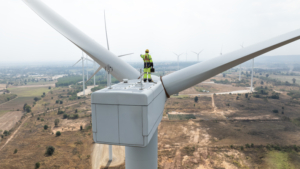
Wind turbine technicians are at the forefront of the renewable energy boom, climbing towering turbines and keeping clean energy flowing.
If you’re curious about joining this high-demand trade, one of the first questions is: how much will it cost to get trained and start earning?
This article breaks down education fees, certifications, and whether the investment is worth it.
Cost of Education: Schools and Programs
Training to become a wind turbine technician typically involves attending a technical school, community college, or vocational program.
Costs vary depending on the program type and duration.
Education Costs by Program
| Program Type | Duration | Tuition Cost | Additional Expenses | Total Estimated Cost | Notes |
|---|---|---|---|---|---|
| Certificate | 6 months | $5,000 | $1,500 (tools/books) | $6,500 | Hands-on, quick entry |
| Technical School | 12 months | $12,000 | $2,000 | $14,000 | Includes lab work |
| Associate Degree | 2 years | $20,000 | $3,000 | $23,000 | Broader education and advancement opportunities |
Additional Notes
Shorter certificate programs allow for quick entry into the workforce with lower upfront costs.
Associate degrees cost more but provide a wider technical education, which can help with career advancement and higher starting salaries.
Top Schools and Average Program Costs
| School / Program | Program Type | Duration | Tuition Range | Notes |
|---|---|---|---|---|
| Airstream Technical Institute | Certificate | 6–12 months | $5,000–$8,000 | Focus on hands-on turbine maintenance |
| Midwest Technical College | Associate Degree | 2 years | $15,000–$23,000 | Includes classroom and lab training |
| Renewable Energy Training Center | Certificate | 6 months | $6,000–$10,000 | Offers safety and electrical certifications |
| Coastal Community College | Associate Degree | 2 years | $12,000–$20,000 | Strong job placement assistance |
| Online Wind Energy Academy | Certificate | 6 months | $1,750–$3,500 | Flexible, low-cost online option, limited hands-on labs |
Certifications and Licensing Costs
While wind turbine technicians do not need a government license, industry certifications are important for safety and employability.
Certification Costs and Details
| Certification | Cost | Duration | Coverage/Skills | Required By Employers? |
|---|---|---|---|---|
| GWO Basic Safety | $2,000–$3,000 | 5 days | First aid, fire safety, and working at heights | Often |
| OSHA 10/30 | $50–$200 | 1–4 days | Workplace safety | Sometimes |
| CPR/First Aid | $50–$100 | 1 day | Emergency response | Often |
| Technical Rescue | $100–$500+ | 1–3 days | Working safely on turbines | Optional |
Certifications like GWO and OSHA training ensure technicians can work safely at height and handle electrical systems.
Some employers may cover or reimburse the cost of certifications.
Is the Investment Worth It?
Wind turbine technicians earn solid wages without a four-year degree, and the field is projected to grow faster than average due to the expansion of renewable energy infrastructure.
Salary vs. Training Cost
| Program Type | Total Cost | Starting Salary | Median Salary | Payback Period (Years) |
|---|---|---|---|---|
| Certificate | $6,500 | $50,000 | $62,000 | ~1 year |
| Technical School | $14,000 | $55,000 | $65,000 | ~1.5 years |
| Associate Degree | $23,000 | $60,000 | $70,000 | ~2 years |
Many technicians find that even certificate-level programs pay for themselves quickly.
Certifications and hands-on experience increase employability and salary potential, making this trade a strong investment for those interested in technical, hands-on work.
Alternative Paths to Enter the Field
Formal schooling is not the only way to become a wind turbine technician.
Some technicians start with:
- Apprenticeships: Work directly with experienced technicians while earning a wage. Apprenticeships often take 1–2 years and provide hands-on training, sometimes reducing the need for formal tuition.
- On-the-Job Training: Some employers hire entry-level maintenance workers and train them on turbines. This path may take longer to reach full technician status, but it can minimize upfront costs.
- Military Experience: Veterans with electrical, mechanical, or aviation experience may qualify for accelerated training programs.
These paths can be more affordable and provide real-world experience, though they may not include formal certifications unless pursued separately.
Financing Your Training
If tuition or certification costs are a concern, there are ways to reduce the financial burden:
- Scholarships and Grants: Many technical schools and industry organizations offer scholarships specifically for renewable energy programs.
- Employer Sponsorship: Some companies will cover the cost of training or reimburse certifications after employment.
- Student Loans or Payment Plans: Technical schools often provide financing options or installment plans to spread out tuition payments.
- Government Programs: Workforce development programs or vocational grants may help cover tuition for high-demand trades.
Combining these options can make entry into this career more affordable and accessible.
Key Takeaways
- Education Costs Vary: Certificate programs range from $1,750 to $15,000, while associate degrees can cost $10,000 to $25,000.
- Certifications Matter: Safety and technical certifications improve employability, but no government license is required.
- Alternative Paths Exist: Apprenticeships, on-the-job training, and military experience offer lower-cost options.
- Financing Options Are Available: Scholarships, grants, employer sponsorship, and payment plans can reduce upfront costs.
- Strong Job Outlook: Employment for wind turbine technicians is growing faster than average, with competitive salaries.
- Worth the Investment: Lower education costs and growth potential make this a solid career path for hands-on, technical work.