


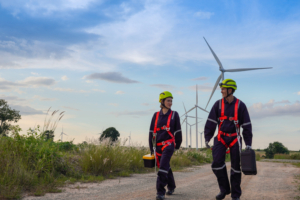
Climbing towers hundreds of feet high, keeping massive blades spinning, and powering a greener future, being a wind turbine technician is not your average 9-to-5.
It’s a career that combines adventure, technical skill, and purpose.
But while the perks are impressive, there are challenges you won’t want to ignore.
Let’s explore the highs and lows of life in the wind.
The Pros: Why Being a Wind Turbine Technician Rocks
1. Job Security in a Booming Industry
Wind energy is one of the fastest-growing sectors globally, and skilled technicians are in high demand.
Governments and private companies are continuously building new wind farms, which creates long-term job stability.
Unlike industries that are vulnerable to automation, turbines require human expertise to install, maintain, and troubleshoot.
For those looking for a career with steady opportunities and low risk of layoffs, this field provides reliable employment and peace of mind.
2. Pay That Matches the Risk
Technicians earn competitive wages for a hands-on trade, often above entry-level positions in other technical fields.
With experience, certifications, and specialization in areas such as hydraulics or electrical systems, salaries can increase significantly.
Many roles include overtime, travel pay, and hazard compensation for working at great heights, making this career financially rewarding.
Skilled technicians have a clear path to higher income as they gain expertise and professional experience.
3. The Great Outdoors as Your Office
Technicians spend most of their time outside, working at wind farms located in scenic rural areas or along coastlines.
Each day offers changing landscapes, fresh air, and freedom from a traditional office environment.
Some positions involve traveling to different sites, adding variety and adventure to the workday.
For anyone who prefers hands-on work in natural settings, this career provides a unique combination of physical activity and visual stimulation.
4. Hands-On Problem Solving
Technicians work directly with advanced machinery, electrical systems, and mechanical components.
Every day presents new challenges, from diagnosing electrical faults to repairing hydraulic systems or replacing malfunctioning parts hundreds of feet above the ground.
This work keeps both the mind and body active, making it highly engaging for those who enjoy practical problem-solving and hands-on technical challenges.
5. Powering a Cleaner Planet
Technicians play a vital role in generating renewable energy and reducing reliance on fossil fuels.
Keeping turbines operational helps lower carbon emissions and contributes to a sustainable energy future.
The sense of purpose and pride that comes from working in an environmentally positive field is difficult to match.
Technicians are not just maintaining machinery; they are supporting a global transition to cleaner energy.
6. Room to Grow
There are clear opportunities for career advancement.
Technicians can move into supervisory positions, become trainers, or specialize in areas such as electrical systems, hydraulics, or safety management.
With additional certifications and experience, technicians can manage entire wind farm operations or transition into project management and consulting roles.
The industry rewards initiative and skill, providing motivated professionals with opportunities for higher pay and leadership.
7. Strong Team Camaraderie
Working on turbines requires collaboration, trust, and teamwork.
Technicians often operate in small crews where efficiency and safety depend on mutual support.
This environment fosters strong professional relationships and a sense of community.
Many technicians value the camaraderie and social connections that come with the job, as they create a supportive atmosphere and make challenging work more enjoyable.
8. Continuous Learning and Skill Development
The technology in wind turbines is constantly evolving, which gives technicians opportunities to learn and grow on the job.
From new control systems to advanced mechanical components, each project teaches new technical skills.
This career is ideal for people who enjoy ongoing learning and professional development, as staying current with the latest turbine technology can make you more valuable and open doors to higher-paying or specialized roles.
9. Sense of Adventure and Excitement
Few careers combine technical work with adventure like this one.
Climbing tall turbines, working at remote or scenic locations, and tackling challenging maintenance tasks creates a sense of thrill and excitement.
Every day offers something different, and for those who enjoy dynamic, high-energy work environments, being a wind turbine technician provides both mental stimulation and physical adventure.
The Cons: The Challenges You Need to Know
1. Physically Demanding
Wind turbine technicians perform physically intense work that requires strength, stamina, and endurance.
Climbing towers, lifting heavy parts, and working in tight or awkward spaces can take a toll on the body.
Technicians must stay fit and maintain good health to handle long shifts and physically challenging tasks safely.
The work can be exhausting, especially when combined with challenging weather or long travel to remote sites.
2. Heights That Can Be Intimidating
Working hundreds of feet above the ground is not for everyone.
Technicians must be comfortable with heights and strictly follow safety protocols at all times.
Fear or anxiety about climbing can make the job stressful, and even experienced workers must remain vigilant to prevent accidents.
For those who struggle with vertigo or height-related stress, this career can be particularly challenging.
3. Exposure to Harsh Weather
Technicians work outdoors in all types of weather conditions, including extreme heat, cold, strong winds, and rain.
Weather can slow progress, make tasks physically uncomfortable, and sometimes create safety hazards.
Proper gear and preparation are essential, and technicians must be prepared for days when conditions are tough, but work still must be completed.
4. Irregular Hours and On-Call Work
Wind turbines operate constantly, and maintenance or repairs often occur outside regular business hours.
Technicians may be required to work evenings, weekends, or holidays, especially during emergencies.
This can disrupt personal schedules and make balancing work and life more difficult.
Flexibility and adaptability are essential traits for anyone pursuing this career.
5. Safety Risks Are Constant
The combination of electricity, machinery, and extreme heights carries inherent risks.
Even with rigorous safety training, accidents can still occur.
Technicians must constantly follow safety protocols and remain alert, which can add mental stress.
Awareness and precaution are critical, as mistakes in this environment can have serious consequences.
6. Remote Locations and Travel Requirements
Many wind farms are located in rural or remote areas, far from urban centers.
Technicians often travel long distances or stay away from home for extended periods.
While some enjoy the adventure, it can be inconvenient for those with family or personal obligations.
Travel and relocation are often unavoidable components of a career.
7. Mental Stress of Troubleshooting
Diagnosing complex mechanical and electrical issues can be mentally taxing, especially when turbines are down or deadlines are tight.
Technicians must remain calm, focused, and patient when problems are complicated or high-pressure situations arise.
Balancing physical demands with the mental challenges of technical problem-solving requires resilience and a strong work ethic.
8. Noise and Vibration Exposure
Working on or near operating turbines exposes technicians to constant noise and vibrations.
Over time, this can lead to fatigue, discomfort, or even long-term hearing issues if proper protection is not used.
While safety gear mitigates much of the risk, the environment can still be physically and mentally taxing, especially during extended maintenance sessions or high-volume repair periods.
9. Limited Social Interaction
Much of a technician’s work takes place at remote wind farm locations or atop turbines, often with just a small team.
This can lead to isolation, limited social interaction, and fewer opportunities for casual communication compared to office-based careers.
For individuals who thrive on daily social engagement or large team environments, the solitude of some workdays may be a downside.
Pros and Cons of Being a Wind Turbine Technician – Summary Table
| Pros | Cons |
|---|---|
| 1. Job Security in a Booming Industry | 1. Physically Demanding |
| 2. Pay That Matches the Risk | 2. Heights That Can Be Intimidating |
| 3. The Great Outdoors as Your Office | 3. Exposure to Harsh Weather |
| 4. Hands-On Problem Solving | 4. Irregular Hours and On-Call Work |
| 5. Powering a Cleaner Planet | 5. Safety Risks Are Constant |
| 6. Room to Grow | 6. Remote Locations and Travel Requirements |
| 7. Strong Team Camaraderie | 7. Mental Stress of Troubleshooting |
| 8. Continuous Learning and Skill Development | 8. Noise and Vibration Exposure |
| 9. Sense of Adventure and Excitement | 9. Limited Social Interaction |
Should You Take the Leap?
Being a wind turbine technician offers adventure, purpose, and excellent career prospects, but it’s not for everyone.
If you love hands-on problem-solving, outdoor work, and contributing to renewable energy, it can be incredibly rewarding.
On the flip side, the physical demands, heights, and unpredictable schedule are serious considerations.
Weigh the thrills and the challenges carefully before climbing aboard this high-flying career.