


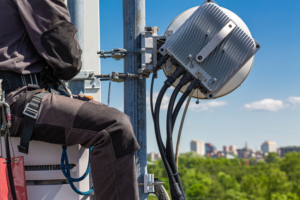
Climbing hundreds of feet into the sky, maintaining antennas, and keeping communication networks running is the reality for tower technicians.
This career combines technical skill, physical endurance, and a sense of adventure.
It offers strong earning potential and growth opportunities, but it also comes with unique challenges.
From working in extreme conditions to navigating high-risk environments, it’s a career that demands both skill and courage.
The Pros: Why Being a Tower Technician Rocks
1. High Demand and Job Security
The demand for tower technicians is soaring as 5G networks, cellular expansion, and broadcast infrastructure continue to grow.
According to the U.S. Bureau of Labor Statistics, employment for telecom tower technicians is projected to grow faster than the average for all occupations over the next decade.
This means new towers are being built constantly, and technicians will be needed for installation, maintenance, and emergency repairs, making this a stable career choice.
2. Competitive Pay
Tower technicians earn wages that are significantly higher than those of many entry-level technical roles.
Median pay often ranges from $50,000 to $70,000 annually, with overtime, travel compensation, and hazard pay adding even more.
Technicians who earn specialized certifications, such as in tower climbing safety, rigging, or radio frequency systems, can command higher salaries, sometimes exceeding six figures.
The combination of technical skill and physical risk makes the pay attractive compared to many trades.
3. Work Outdoors and Travel Opportunities
Much of a tower technician’s job takes place outdoors, giving them the chance to work in open-air environments rather than behind a desk.
Towers are often located in scenic or rural areas, and some positions require travel to multiple sites or even temporary relocation.
This keeps daily routines varied, allows technicians to experience different landscapes, and adds an element of adventure to what could otherwise be a repetitive technical job.
4. Hands-On Technical Experience
Tower technicians work directly with complex electrical, mechanical, and communication systems.
From installing antennas to maintaining fiber optic connections and troubleshooting RF issues, the work is highly technical.
Technicians gain experience with tools and systems that are difficult to master in other careers, and every day brings new technical puzzles.
This hands-on exposure builds practical knowledge and problem-solving skills that can open doors to advanced technical positions.
5. Contributing to Critical Infrastructure
Technicians ensure that communication networks, emergency services, and broadcast systems function properly.
This role is essential to keeping communities connected, especially during disasters or emergencies.
By maintaining and repairing towers, technicians directly impact public safety, business operations, and connectivity for millions of people.
The sense of purpose from contributing to such critical infrastructure provides a unique professional pride.
6. Opportunities for Career Growth
There are multiple paths for advancement in this field. Technicians can move into supervisory roles, safety training, or become specialists in areas such as RF optimization, tower inspection, or fiber-optic technology.
Certifications in climbing, rigging, or electrical systems can lead to higher-paying positions or management roles.
The industry values skill and initiative, allowing motivated technicians to grow both professionally and financially.
7. Strong Teamwork and Camaraderie
Working on towers requires trust, communication, and collaboration.
Tasks often involve pairs or small teams where efficiency and safety depend on every member performing their role.
This environment fosters a strong sense of community, shared responsibility, and professional support.
Many technicians report that the camaraderie formed on job sites is one of the most rewarding aspects of their career, creating long-lasting professional relationships and a positive work culture.
8. Continuous Learning and Skill Development
The telecommunications industry is constantly evolving with new technologies, standards, and safety protocols.
Tower technicians continuously learn on the job, from new radio frequency equipment to the latest safety systems.
Staying up-to-date with emerging technologies enhances employability and opens opportunities for specialization, making this a career that rewards curiosity and continuous professional development.
9. Sense of Adventure and Excitement
Few jobs combine technical skill with adventure in the way tower work does.
Climbing hundreds of feet, working in varied environments, and solving complex technical problems create a sense of thrill and excitement.
Every day is different, offering new challenges and unexpected situations that keep the job dynamic and stimulating.
For those who enjoy adrenaline, hands-on work, and variety, this career delivers both mental and physical engagement.
The Cons: The Challenges You Need to Know
1. Physically Demanding Work
Tower technicians perform physically intense tasks every day.
Climbing tall structures, carrying heavy equipment, and working in confined or awkward positions requires strength, stamina, and endurance.
The repeated physical exertion can lead to fatigue, muscle strain, and long-term wear on the body.
Technicians must maintain peak fitness and overall health to meet the daily demands and ensure they can safely handle every task.
2. High-Risk Environments
Working hundreds of feet above ground, handling electrical systems, and operating heavy tools present inherent dangers.
Falls, electrical shocks, and equipment mishaps are risks that must be carefully managed.
Safety training is essential, and even experienced technicians must stay alert at all times.
Mistakes can have serious consequences, making this one of the more high-stakes careers in technical trades.
3. Exposure to Harsh Weather
Tower technicians often work in extreme weather, including heat, cold, rain, wind, or ice.
Harsh conditions can make tasks uncomfortable, slow progress, or create safety hazards.
Proper protective gear and preparation are essential, and technicians must be ready to perform under challenging circumstances, sometimes for long shifts, to ensure towers remain operational.
4. Irregular Hours and On-Call Work
Communication systems operate around the clock, and technicians are often called in during evenings, weekends, or holidays for maintenance or emergency repairs.
This unpredictability can disrupt personal life, family time, and routine schedules.
Flexibility is a necessity, and some technicians may find the irregular hours stressful, especially when balancing other commitments.
5. Travel and Remote Job Sites
Many towers are located in rural, remote, or difficult-to-reach locations.
Technicians often travel long distances or stay on-site for extended periods.
While some enjoy the adventure and variety, remote assignments can be inconvenient for family life or social activities.
Technicians must be prepared for travel requirements and sometimes spend nights away from home to complete critical projects.
6. Mental Stress and Pressure
Diagnosing complex mechanical or electrical issues under tight deadlines can be mentally taxing.
Technicians must remain focused and patient while troubleshooting problems, especially when networks are down and pressure is high.
The combination of physical labor, safety responsibilities, and technical problem-solving can create significant mental stress over time.
7. Noise and Vibration Exposure
Active towers often produce continuous noise from electrical equipment, transmitters, and fans.
Extended exposure to vibrations and loud environments can lead to discomfort, fatigue, or hearing issues.
Protective equipment mitigates risk, but working in these conditions is physically and mentally taxing and requires technicians to be vigilant about long-term safety.
8. Limited Social Interaction
Tower work often occurs with small crews or solo assignments at remote locations.
Daily social interaction can be limited, which may feel isolating for technicians who thrive in more interactive environments.
While teamwork exists on-site, extended periods away from colleagues, family, and friends can affect morale and mental well-being.
9. Climbing Fatigue and Physical Strain
Repeated climbs and physically demanding work put significant strain on the body.
Over time, this can cause fatigue, joint stress, and other musculoskeletal issues.
Maintaining strength, stamina, and proper techniques is critical to avoid injury, and technicians must stay disciplined in physical conditioning throughout their careers.
Pros and Cons of Being a Tower Technician – Summary Table
| Pros | Cons |
|---|---|
| 1. High Demand and Job Security | 1. Physically Demanding Work |
| 2. Competitive Pay | 2. High-Risk Environments |
| 3. Work Outdoors and Travel Opportunities | 3. Exposure to Harsh Weather |
| 4. Hands-On Technical Experience | 4. Irregular Hours and On-Call Work |
| 5. Contributing to Critical Infrastructure | 5. Travel and Remote Job Sites |
| 6. Opportunities for Career Growth | 6. Mental Stress and Pressure |
| 7. Strong Teamwork and Camaraderie | 7. Noise and Vibration Exposure |
| 8. Continuous Learning and Skill Development | 8. Limited Social Interaction |
| 9. Sense of Adventure and Excitement | 9. Climbing Fatigue and Physical Strain |
Should You Become a Tower Technician?
Being a tower technician is not a career for the faint of heart, but it offers adventure, strong earning potential, and opportunities to develop highly specialized technical skills.
Technicians earn a median salary of around $60,000 to $70,000 per year, with experienced specialists and climbers earning over $100,000 in some regions.
The job also provides continuous learning, exposure to cutting-edge communications technology, and the satisfaction of keeping vital networks running.
However, it comes with challenges: working at extreme heights, enduring harsh weather, irregular schedules, and physically demanding tasks.
Technicians often travel to remote sites and must remain vigilant about safety.
If you thrive on problem-solving, enjoy hands-on work, and are looking for a high-energy career with growth potential, becoming a tower technician can be exciting and highly rewarding.
For those who prioritize stability, adventure, and skill development, this career delivers a rare combination of opportunity and challenge.