


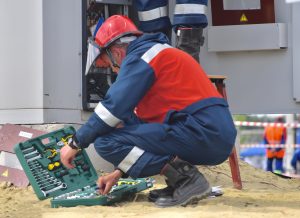
Well, I will say plumbers and electricians have more in common than you might think.
Both of them are respected tradespeople.
Both plumbers and electricians will always provide an essential service that will always be in demand.
Both of them are well paid, and if they want, can go into business for themselves.
Stay with me, and you will read 6 key points to consider when making your decision.
Let’s dive deeper in.
Electrical vs Plumber Career
What is the difference between a plumber versus an electrician, and what career options will you have depending on which path you choose?
If you want, you can start out doing this kind of work and definitely stick with it.
There are many other career paths to choose from with additional experience or training.
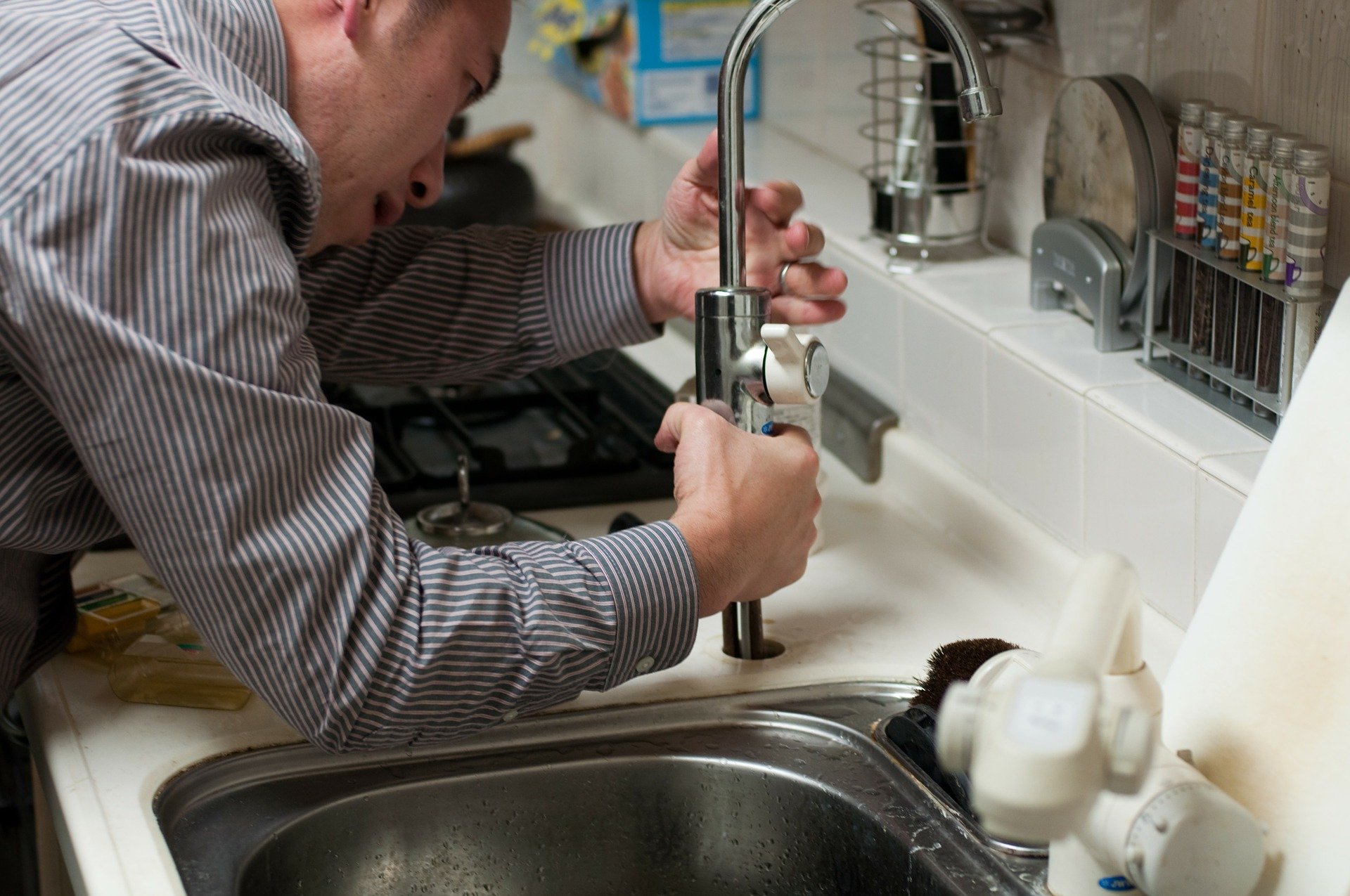
Plumber Career Options
- Commerical
- Industrial
- Residential
- Pipelayers
- Pipefitters/steamfitters
- Specializing in the fire suppression sprinkler system
- Sales specialists
- Medical gas installation (for hospitals and clinics)
Electrician Career Options
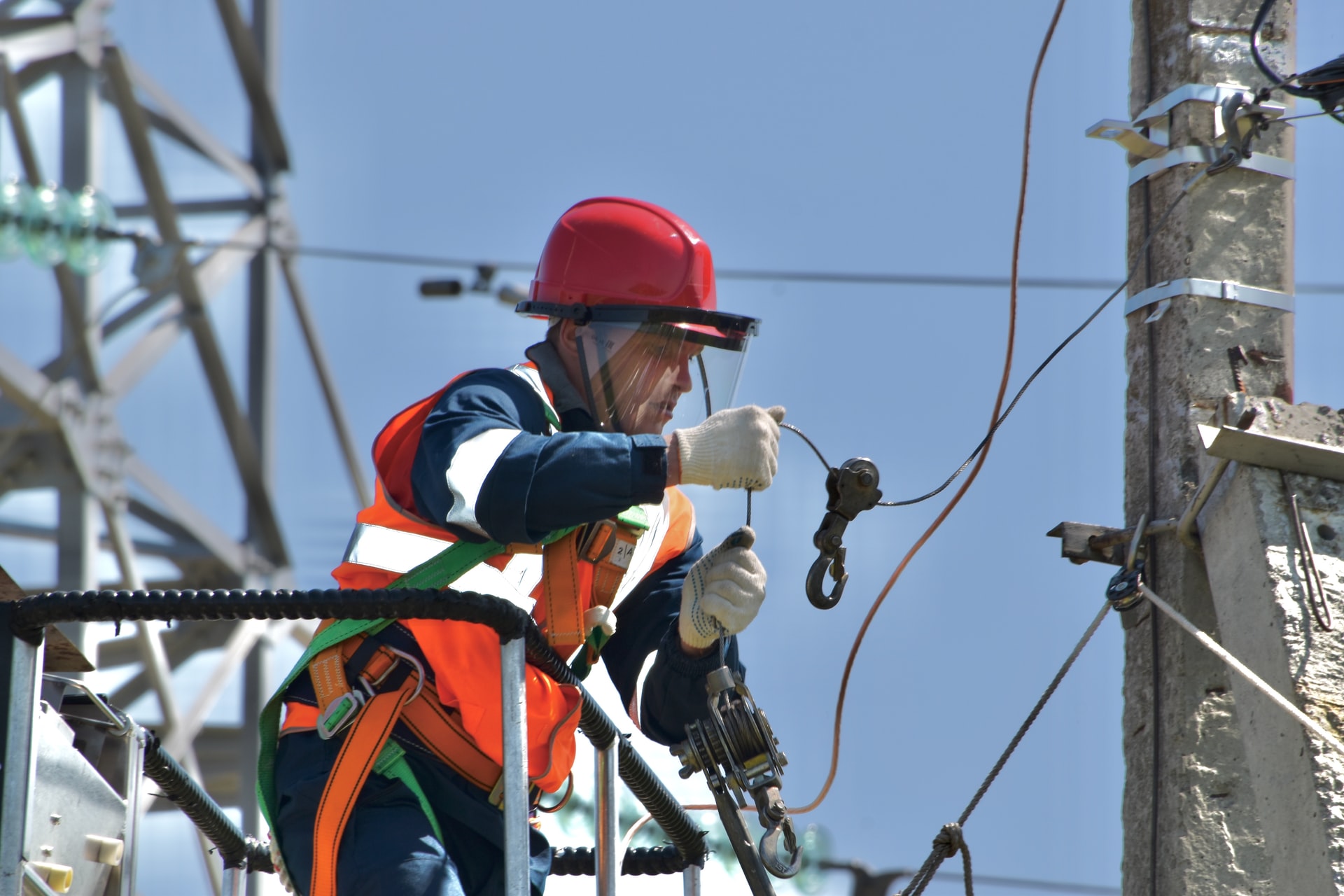
- Commercial
- Residential
- Industrial
- Network cabling / CATV specialist
- Power line worker
- Security and fire alarm system installation
Depending on which career path you choose, what you will do on a daily basis will vary a bit.
How Long Does Training Take

To become a plumber or electrician, it takes roughly the same amount of time.
Both plumbers and electricians are regulated and require a fixed number of training hours and on-the-job instruction (apprenticeship).
Around 9,000 hours or 5 years of education to become a journeyman in either trade.
While you work as an apprentice, much of that is paid training.
Who Makes More Money
The plumbers and electricians make pretty much the same amount in Ontario, according to the Government of Canada data on salaries.
- Median Electrical salary: $30/hour, about $62,000 per year
- Median Plumber salary: $28/hour, about $58,000 per year
It will come down to something more than just money if you’re between these two trades.
What Natural Skill Do You Need
Okay, let’s start with math. Brushing your math skills from high school, know what becoming an electrician means.
Electrician students need to dive deeper into arithmetic, algebra, and geometry, while plumbers almost never use math.
Important tasks for an electrician are:
- Routine measurements writing lengths, room dimensions, conversions from watts to kilowatts, etc
- Current, calculating voltage and resistance
- Calculating angles, for example, for bending pipe and conduit around obstacles
On the contrary, the plumbing students have technical materials to learn too.
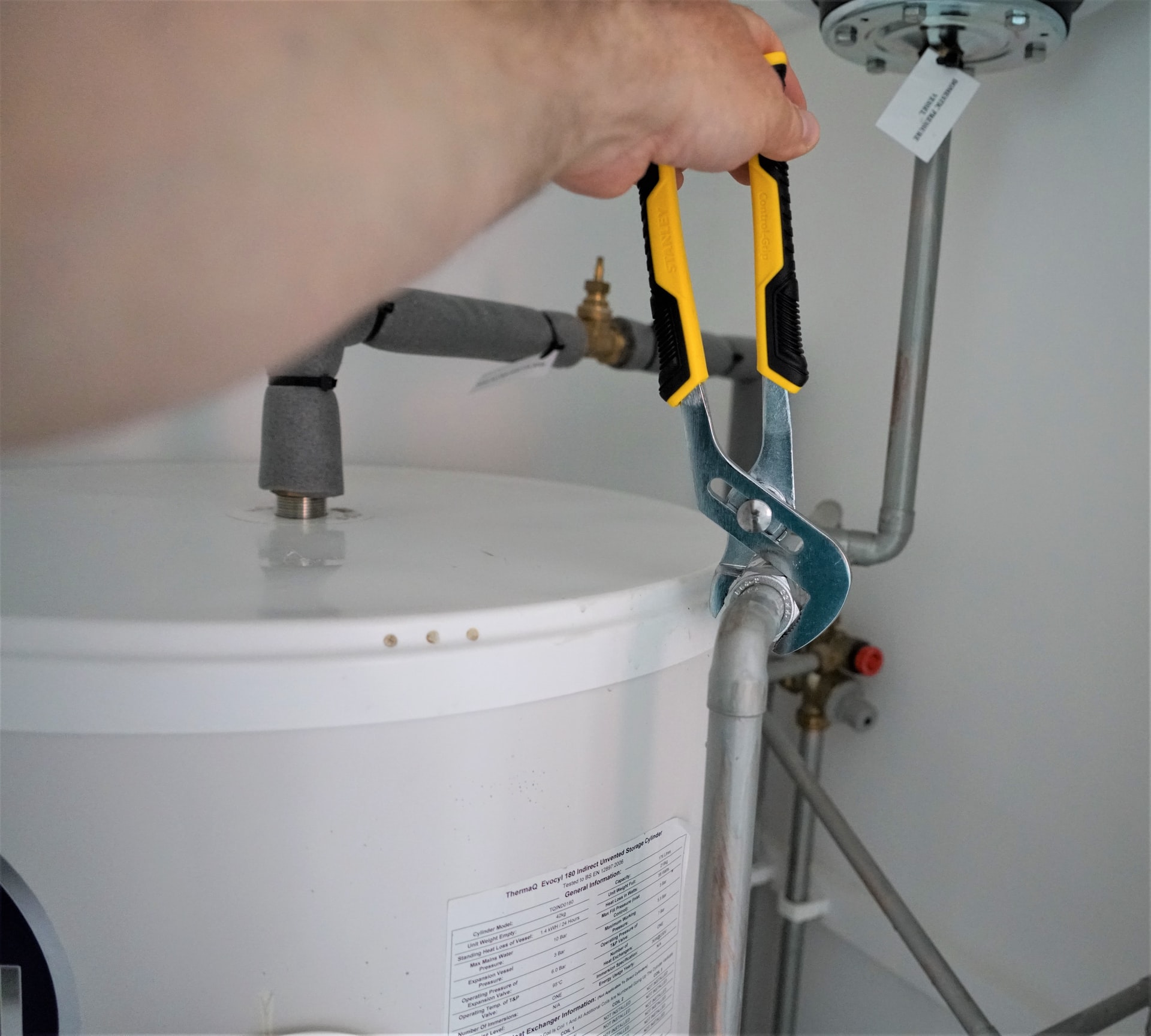
If you choose this trade, you’ll be studying:
- Venting
- Friction, Gravity, and Kinetic Energy
- Fluid dynamics
- Calculating water pressure
Both plumbers and electricians involve theoretical concepts, mathematical equations, and a certain amount of memorization.
Well, I don’t wanna say that one is more “difficult” than the other.
Depending on your natural interests and skills in these areas.
To succeed at your work, plumbers and electricians need similar “soft” skills, which include:
- Grace under pressure
- Respect for safety procedures and regulations
- Independent problem-solving skills
- Good customer service skills
- Excellent attention to detail
- Excellent communication skills
- Strong interpersonal/teamwork skills
- Blueprint reading
- Reliability/punctuality
How “Dirty” Will You Get
Often, thinking “dirty” when you think about the plumber.
On the contrary, electricity is considered a “clean” trade.
Well, the truth is that neither assumption is totally accurate.
Plumbers have a lot more career options than unclogging toilets and drains.
That explains you can specialize in medical gas, for example, which involves installing gas lines for clients and hospitals with no grills and toilets involved.
On the side of the electrical, there is more dirt than most people realize.
Crawling around old basements and up into attics, electricians see their fair share of grime and gross stuff.
Electrician vs. Plumber: Side-by-Side Comparison
| Category | Electrician | Plumber |
|---|---|---|
| Primary Duties | Install, maintain, and repair electrical systems, wiring, lighting, circuit breakers, and power systems. | Install, maintain, and repair water supply lines, drainage systems, gas lines, and plumbing fixtures. |
| Work Environment | Homes, businesses, construction sites, industrial settings; often indoors but can include outdoor or confined spaces. | Residential, commercial, and industrial buildings; crawl spaces, outdoor work, and emergency repairs. |
| Education & Training | High school diploma + apprenticeship (4–5 years) or trade school; must meet state licensing requirements. | High school diploma + apprenticeship (4–5 years) or plumbing trade school; state licensing required in most states. |
| Average Salary | ~$60,000–$75,000 per year (higher in major cities or specialized fields). | ~$55,000–$70,000 per year depending on location and specialty. |
| Job Outlook | Strong demand due to ongoing construction and increased need for electrical systems and renewable energy. | Steady demand because plumbing systems are essential and aging infrastructure needs constant repair. |
| Physical Demands | Requires climbing, lifting, bending, and sometimes working in tight spaces; must follow strict electrical safety rules. | Requires heavy lifting, working in confined spaces, dealing with water exposure, and emergency call-outs. |
| Licensing Requirements | State-specific exams; continuing education often required to keep license current. | State licensing varies; may require separate licenses for gas fitting or specialized plumbing work. |
| Typical Tools | Multimeters, wire strippers, conduit benders, voltage testers. | Pipe cutters, wrenches, augers, torches, soldering tools. |
| Risk Level | Higher risk of electrical shock, burns, or falls; strict safety protocols. | Risks include water damage, gas leaks, burns, and working with sewage. |
| Best For | People who enjoy electrical systems, problem-solving, and technical work. | People who enjoy hands-on mechanical work, fixing leaks, and working with piping systems. |
Which Trade Are You Truly Interested In?
So, which trade will you be more interested in?
Did you ask yourself ahead of a few years ago, where do you want to be and what do you want to be when you grow up?
Both trades, plumber and electrician, offer opportunities to continue learning.
So don’t wait to challenge yourself and keep things interesting.