


Well, at first, the difference between HVAC and plumbing sounds simple.
An HVAC tech is a specialist who handles your air conditioning and heating needs, while a plumber will work on the pipes.
Well, I will say that the differences between plumbing and HVAC are much more complex.
Choosing a Career
Plumbing or HVAC provides you with a fulfilling career where you can combine innovation and knowledge with the ability to create and build with your hands.
It also offers enormous profits and career potential.
Well, if you want to become one, that will offer you amazing earning potential.
Advancement for hard-working individuals can also offer you the potential to carve your own career path with great opportunities.
One of the fastest-growing jobs in the U.S is plumbing, according to the BLS or Bureau The Statistics show the plumbing field is expected to grow 4% by 2034.
This is higher than average growth for occupations.
Plumbing can offer a secure job, as plumbing services will always be in demand.
Someone will always need to fix their leaks, drips, and clogs.

For an HVAC technician, the future is also bright.
To moving forward with a career as an HVAC technician the job growth is one of the greatest factors in deciding.
While the BLS or Bureau of Labor Statistics projects that the HVAC field will experience growth of 14% which is much faster than average for all occupations.
The HVAC tech will be in high demand, which gives you more job security with a growing salary, while this means that it is faster than average growth.
Job Satisfaction
Plumbers are usually quite satisfied with their work.
The median hourly rate you want to hear in these two professionals has a negligible difference.
In the respective job markets and other environmental dynamics, some numbers are only indicative and are subject to change with the changes.
Plumbing Jobs

For unclogging toilets, plumbers are more responsible.
Well, they are specialists trained to work on fixtures and appliances connected to a home or business’s water systems.
Also, they will install fixtures and appliances such as sinks, bathtubs, and toilets.
Also, the plumber’s job involves inspecting these systems to ensure they work properly and are in compliance with building codes.
Not only are they trained, but they also know about building codes, also expected to know local and state building codes and be on top of any changes to the codes.
Most of the plumbing jobs include drain cleaning, faucet replacement, and leaky pipe repair.
HVAC Specialists
HVAC is a specialist in heating, ventilation, and air conditioning.
Well, the HVAC technicians mostly handle jobs related to the cooling or heating systems within a business or home.
The HVAC system controls the temperature and climate in all buildings.
The job also requires installing new air conditioning and heating systems, performing any maintenance required, and making any repairs as needed.
If the system is not working correctly, it can become an emergency issue during times of extreme cold and heat.
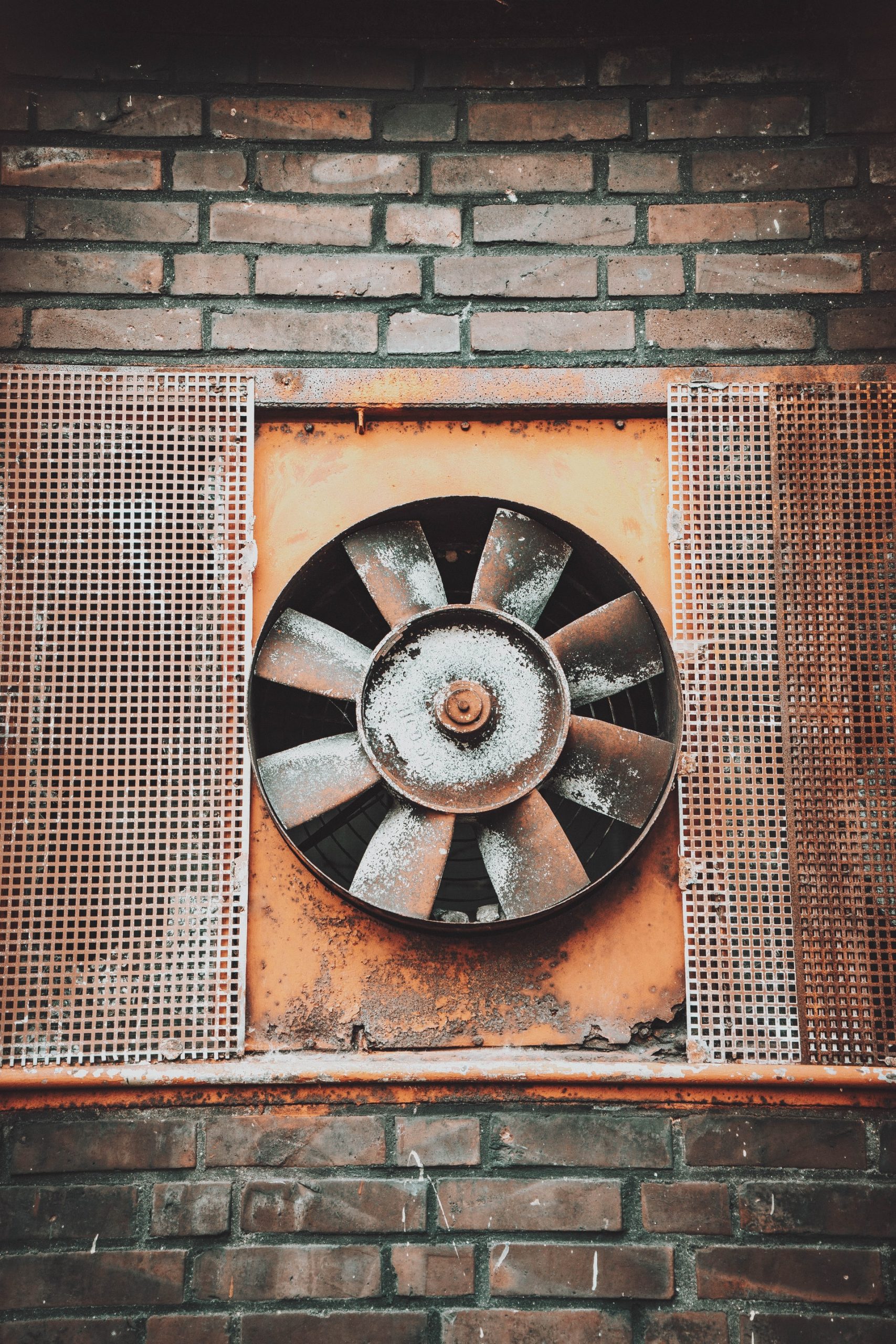
With many intricate parts, HVAC systems are more complex.
That is why they are highly trained in the wiring and piping used for each system.
They also provide specialized training in the field of refrigeration.
After they finish specialized training, in this case, the contractor will be certified to install and maintain commercial and residential refrigeration units.
Many of the jobs handled by HVAC specialists include energy usage analysis, duct cleaning, heater installations, and heat pump repair.
You can find technicians who are experts in both fields, although there is a significant difference between HVAC and plumbing.
Both of their plumbing and HVAC technicians can install, maintain, and repair heating, cooling, and plumbing systems.
Well, one thing that is important to remember is to hire a contractor who is licensed and bonded, no matter whether you need an HVAC or plumbing technician.
You are hiring a technician who is not only properly trained but also abides by all state and local regulations.
Plumbing vs. HVAC Careers: Key Differences
| Category | Plumbing Career | HVAC Career |
|---|---|---|
| Primary Focus | Water supply, drainage systems, pipe installation, repairs, and fixtures | Heating, ventilation, air conditioning, and refrigeration systems |
| Typical Job Duties | Install/repair pipes, toilets, sinks, water heaters, sewer lines | Install/repair AC units, furnaces, ventilation systems, refrigeration units |
| Work Environments | Homes, commercial buildings, construction sites, industrial facilities | Homes, commercial buildings, manufacturing sites, large facilities |
| Required Training | Apprenticeship or trade school; state license typically required | HVAC certificate or associate degree + EPA Section 608 certification |
| Time to Enter the Field | 1–4 years depending on apprenticeship | 6 months–2 years depending on program |
| Tools Used | Pipe cutters, wrenches, soldering tools, drain snakes | Gauges, multimeters, refrigerant recovery machines, duct fabrication tools |
| Physical Demands | Heavy lifting, tight spaces, working with water and waste systems | Crawling in attics/basements, lifting equipment, working outdoors in all seasons |
| Job Outlook | Steady demand due to constant need for plumbing services | Strong demand due to HVAC growth and energy-efficiency upgrades |
| Median Salary Range (U.S.) | ~$50k–$75k+ depending on state and experience | ~$45k–$80k+ depending on specialization and region |
| Specializations | Pipefitting, steamfitting, gas systems, sprinkler systems | Residential HVAC, commercial HVAC, refrigeration, controls & automation |
| Licensing Requirements | Usually required (state-dependent) | EPA 608 mandatory for refrigerants; state license in many areas |
| Work Hazards | Exposure to sewage, chemicals, confined spaces | Electrical hazards, refrigerants, extreme temperatures |
| Career Advancement | Master plumber, plumbing inspector, contractor | Lead tech, HVAC engineer, building automation specialist |